Study Metaphysics: Beginner’s Guide

In Metaphysics [983a4-11] Aristotle writes:
Nor must we think that any other science is more honorable than this. For what is most divine is most honorable. But then it alone will be such, and in two ways. For of all knowledge that which God most properly has is divine; and if there is any such knowledge, it is concerned with divine matters. But this science alone has both of these characteristics; for God seems to be a cause and in some sense a principle according to all men; and such [knowledge as this] God either alone has, or has in the highest degree. Therefore, all the other sciences are more necessary, but none is more excellent.
Metaphysics is the most honorable of all sciences by virtue of the fact that it is most divine. A science can be declared divine in two ways, and Metaphysics alone is the science which can be said to be divine in both ways. First, the science which God has is most divine; and second, the science which is about divine matters is said to be divine. It fulfils both of these requirements, since it is about first causes and principles, it must be about God. Again, such a science which is about God and first principles, either God alone has or, He has it in the highest degree. Indeed, He alone has it in a most perfectly comprehensive manner. Men on the other hand have it as something borrowed from Him. Thomas Aquinas, whilst commenting at one point on Aristotle’s Metaphysics, says:
Thus it is said in Book III of the Topics that it is better to philosophize than to become wealthy, although sometimes becoming wealthy is more desirable, that is, to one lacking life’s necessities. From this it is clear that wisdom is sought for itself alone which does not belong to man as his proper possession. For man has as his possession what he can have at his command and use freely. But that science which is sought for itself alone, man cannot use freely, since he is often kept from it because of the necessities of life. Nor again is it subject to man’s command, because man cannot acquire it perfectly. Yet that very small part of it which he does have outweighs all the things known through the other sciences.
One can broadly divide science into three kinds. First, those that do not require serious intellectual effort due to being closer to sensory perception, as Aristotle says (Metaphysics 982a10-12): “we say that that man is wise who is capable of knowing things that are difficult and not easy for man to understand. For sensory perception is common to all, and is therefore easy and not a matter of wisdom.” Second, those that require serious intellectual effort due to being apart from sensory perception, such as mathematics; Thus, Plotinus stated: “We should hand over the mathematics to young ones as a way of getting them used to incorporeal nature.” For mathematics shares in with metaphysics the property of requiring serious intellectual aptitude, but unlike the latter it does not require another property (which is special to metaphysics only), which leads us to the last kind. Third, that which requires serious intellectual aptitude and an inborn affinity with the subject. You can be really intelligent and still metaphysics going over you, that is because you lack the second property special to this science. Plato in his seventh letter wrote thus: “natural intelligence and a good memory are equally powerless to aid the man who has not an inborn affinity with the subject” Thus, the Metaphysicians did not give this light to everybody, and Plato states in Phaedrus [276e]:
But nobler by far is the serious pursuit of these matters (philosophy) when it is done by one who employs the art of dialectic, and, finding a congenial soul, by the help of science sows and plants therein words that are able to defend themselves and him who planted them, and are not unfruitful, but in themselves a seed from which sprout other words, brought up in different soils, and thus in each case render the seed immortal, and making the possessors of it happy to the utmost extent of human happiness.
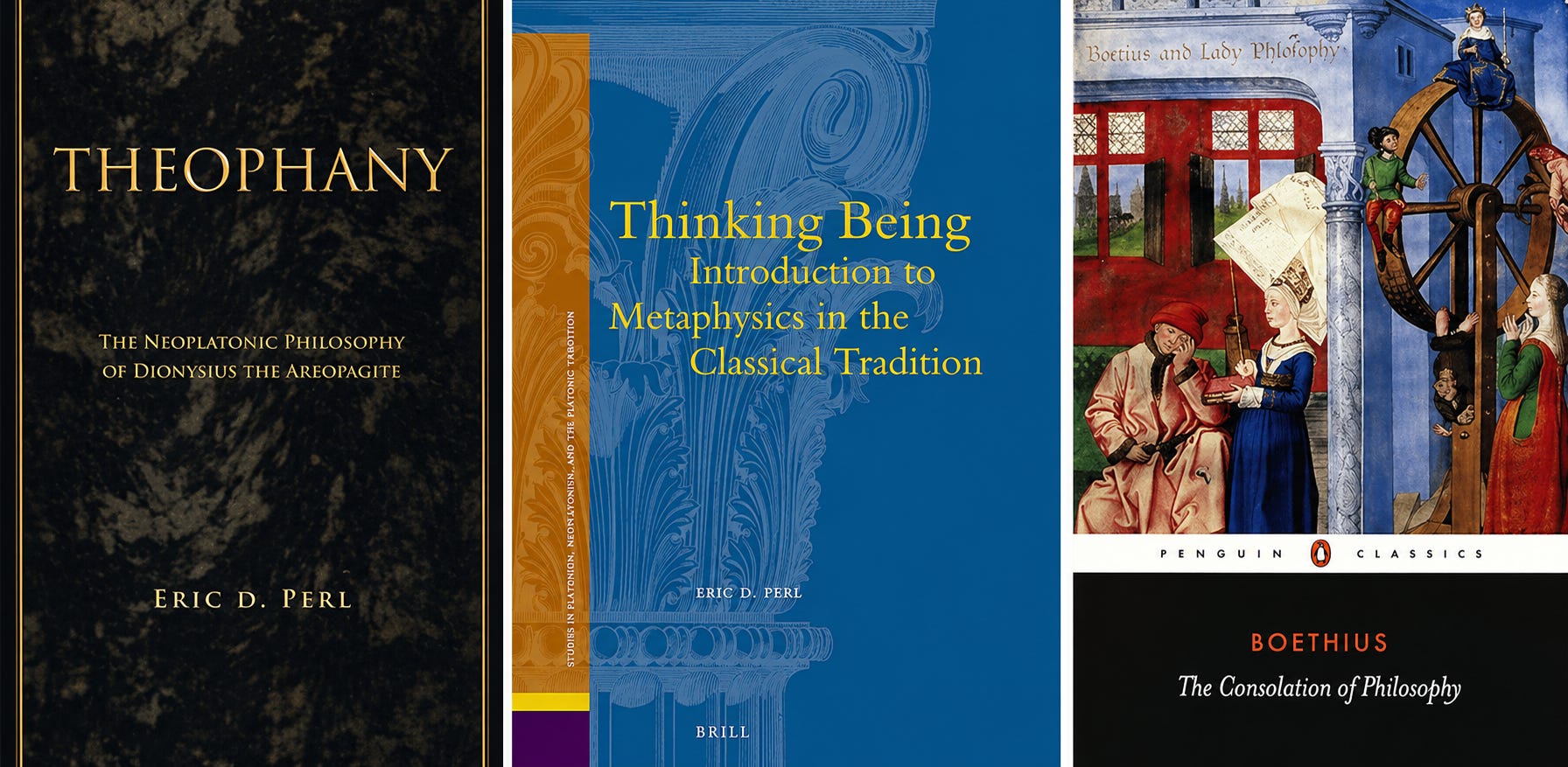
In that Metaphysics is the most universal and farthest removed from the senses, it stands as the most difficult. Enough of talking! I urge the beginners to acquaint themselves with the scholarship of Eric Perl, starting with his Theophany: The Neoplatonic Philosophy of Dionysius the Areopagite. Then, proceed to his impressive work Thinking Being Introduction to Metaphysics in the Classical Tradition. Here is his CV, you should download his papers and acquaint yourself with them as well, it is a treasury.
In between, you can acquaint yourself with Plato’s dialogues as well, such as Ion, Protagoras, Phaedrus, Symposium, Euthyphro, Apology, Crito, Phaedo, Gorgias. You should not be worrying about understanding everything of all of them, you precisely have to get outside of this mindset, it won’t let you do anything. I remember, when I started, I used to simply collect quotations, even if I won’t understand I would just read, and sometimes it would take months that I would randomly find myself realizing what I had read. So just let it sit, philosophy is a lifelong endeavor!
Do not forget to study The Consolation of Philosophy by Anicius Boethius.
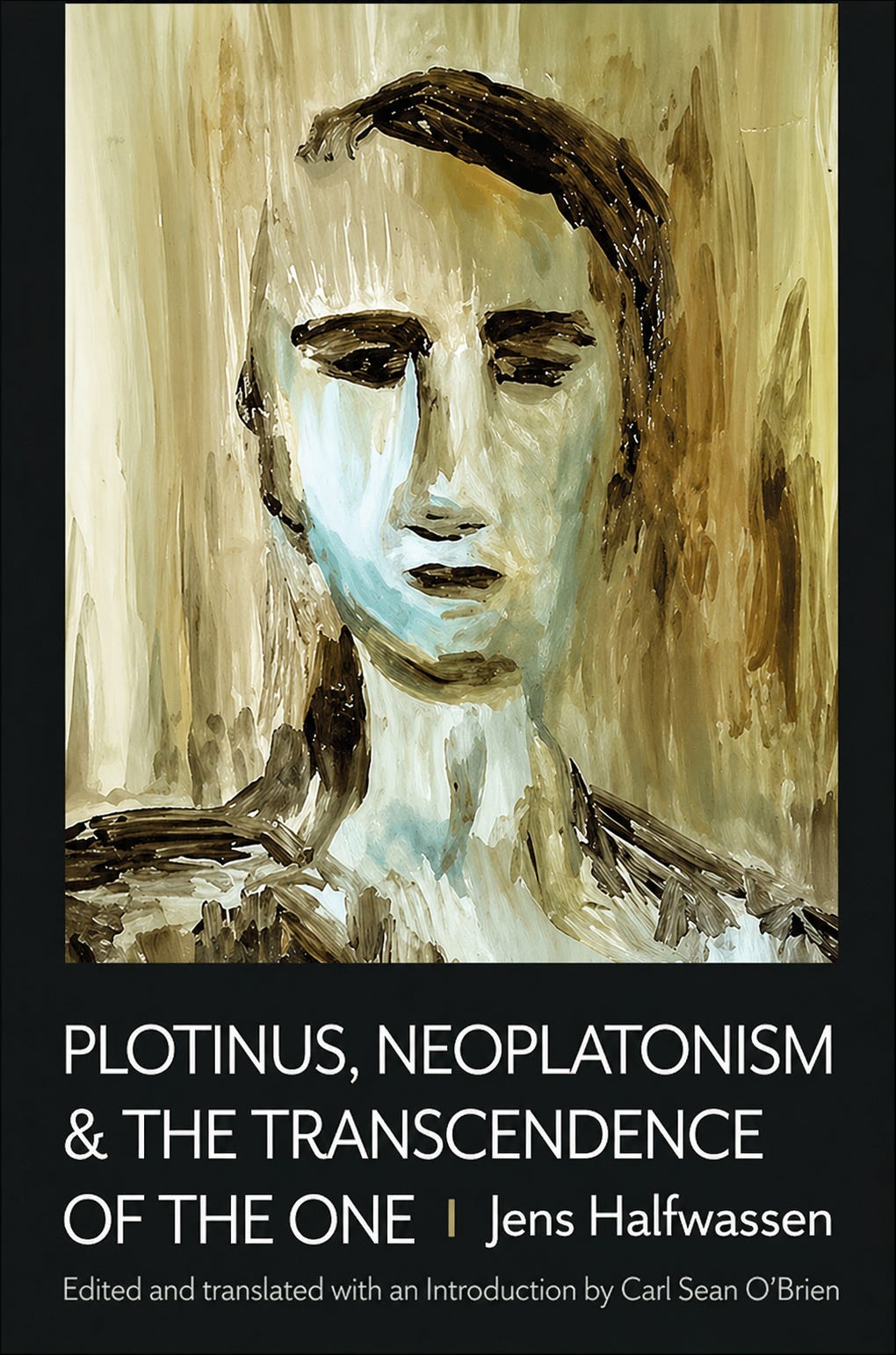
Just so you know, Boethius’ father was a student of the luminous philosopher-sage Proclus; Late Professor Jens Halfwassen, regarding Proclus, writes in his brilliant work Plotinus, Neoplatonism & the Transcendence of the One:
The pinnacle of the Roman aristocracy sat at his feet, including two of the last emperors of the West, Anthemius (ruled 467-72), a relation of Julian, and Julius Nepos (ruled 474-80), as well as the father of Boethius.
Unfortunately, the pdf of Plotinus, Neoplatonism & the Transcendence of the One is unavailable on the internet (as per my knowledge), so if you can buy it, do not hesitate, it is one of the finest works of Neoplatonic scholarship and those interested in Metaphysics must have it.
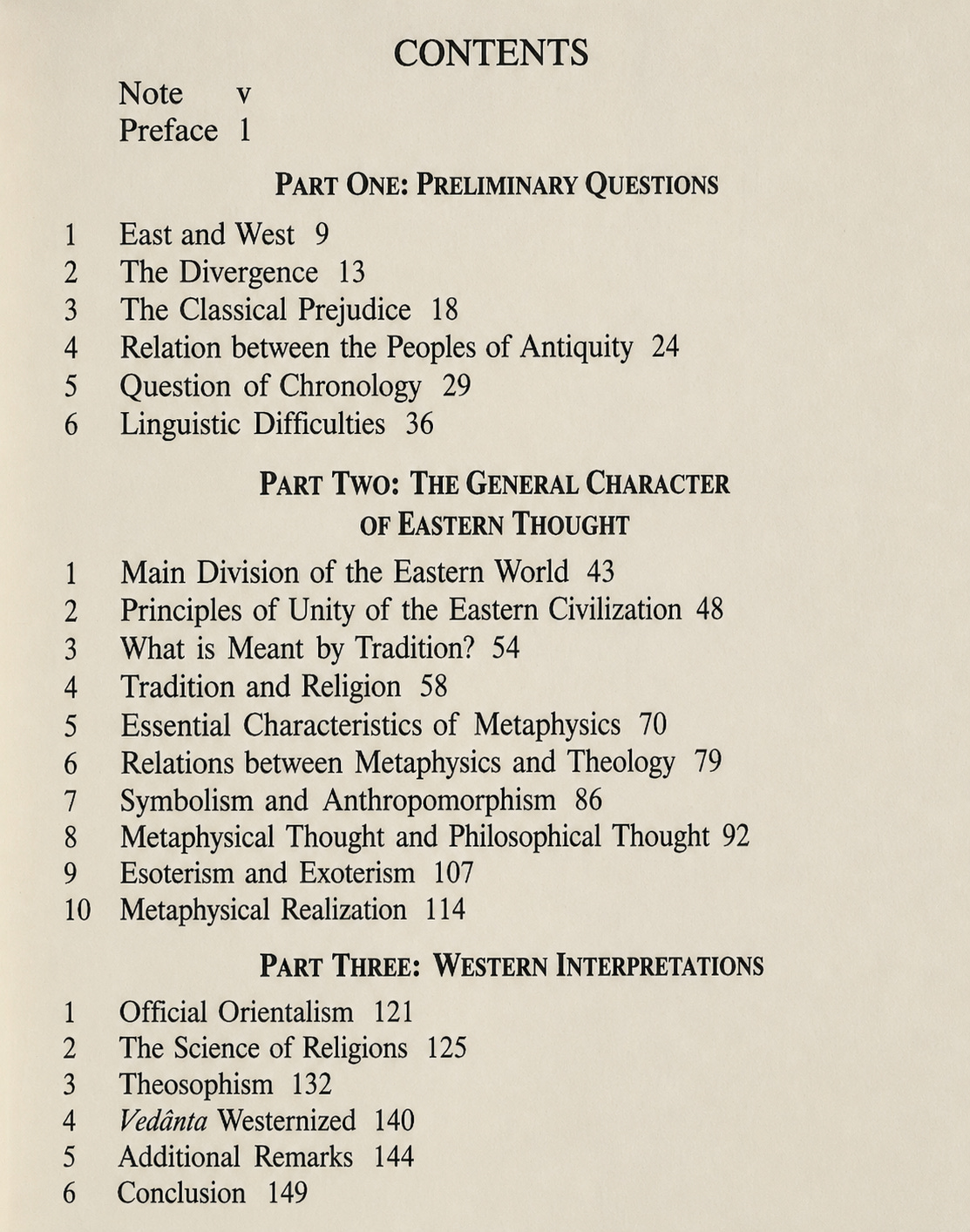
Now, after you have spent good time with Platonism, you should jump into the ocean the luminous and esteemed Shaykh Abd al Wahid Yahya (Rene Guenon), since we are focusing on Metaphysics; start with his Introduction to the Study of the Hindu Doctrines, how can one praise the beauty of Guenon? One should taste herself, to realize this man’s intellectual stature. The following chapters must be carefully studied (do not at all ignore the preface), the real initiatic chapters into the principles of actual Exemplary Metaphysic.
This short six-page paper The Logic of the Absolute The Metaphysical Writings of René Guénon by Peter Samsel can be really helpful. Peter Samsel in this paper writes:
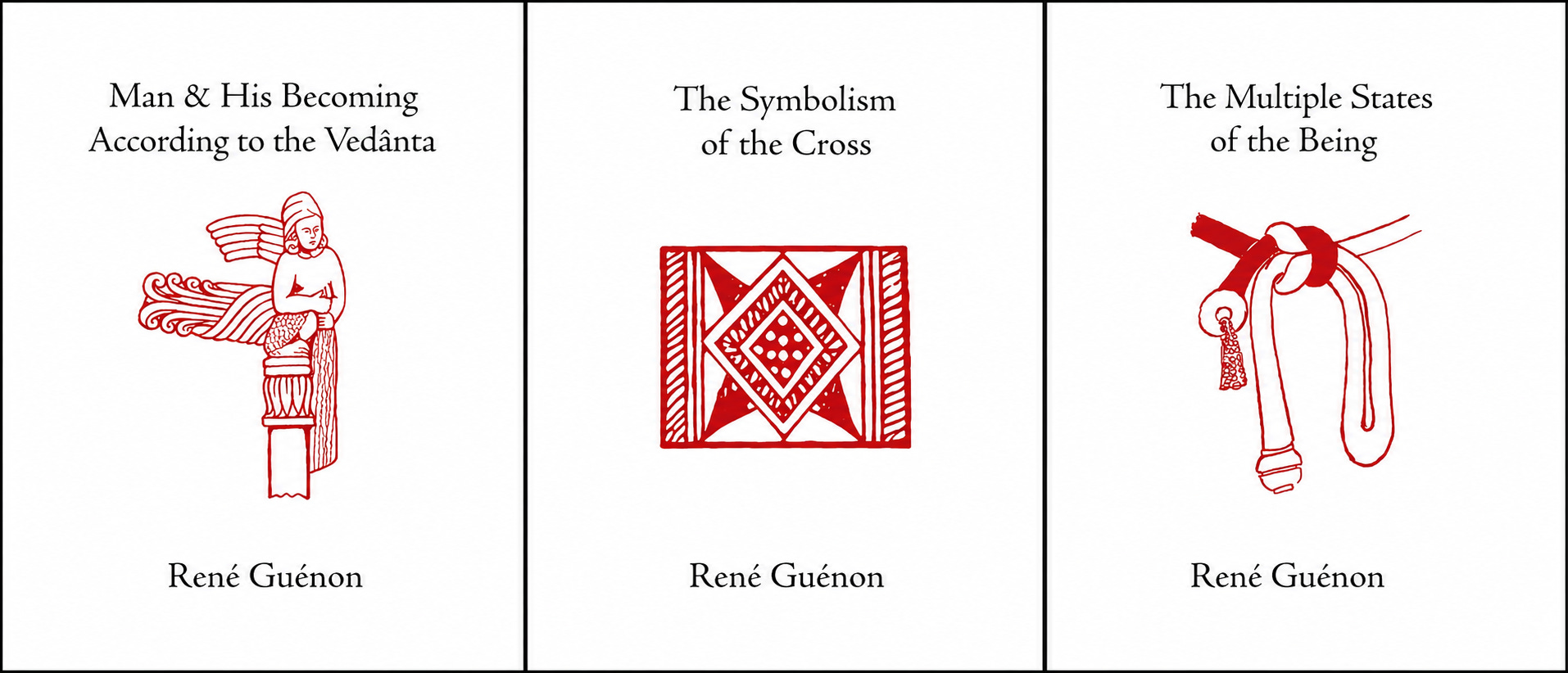
While his full oeuvre comprises some twenty-three volumes, the core of his metaphysical exposition may be found in three works: Man and His Becoming According to the Vedanta, The Symbolism of the Cross, and The Multiple States of the Being. All three works complement one another closely and are best taken as a whole in order to be properly understood. Nevertheless, each possesses a distinctive character: Man and His Becoming is closely tied to the specific conceptual categories and terminology of Advaita Vedanta; Symbolism of the Cross, at once a study of symbolism as well as metaphysics, demonstrates the range of Guénon’s doctrinal mastery across traditions while articulating traditional metaphysics in a particularly geometrical mode; Multiple States, Guénon’s purest metaphysical work, is a logico-deductive demonstration of metaphysical principles, categories, and relationships of astonishing profundity and clarity.
Once you are done with Introduction to the Study of the Hindu Doctrines, then proceed in order to his Man and His Becoming According to the Vedanta, The Symbolism of the Cross, and The Multiple States of the Being.
Now, get to work!
“If you want to silence me, silence philosophy, who is my love.” —Socrates [Plato’s Gorgias]
Great book recommendations; Perl is excellent, and as for Guenon . . . le maître
A profoundly lucid guide. You’ve captured the essential challenge of metaphysics: it’s not just about absorbing information, but about recalibrating our fundamental 'grammar' of reality. Your emphasis on starting with the ancients provides the necessary grounding to navigate the complexities of contemporary ontology.